
A MISSISSIPPI PUBLIC-SAFETY INITIATIVE

Protecting Mississippi communities through prevention.

Pearl's Law is a proposed statewide initiative to reduce stray animal populations, improve neighborhood safety, promote responsible pet ownership, and lower the long-term costs communities pay when prevention comes too late.

Pearl smiling outdoors in a pink sun hat

Pearl — the rescue who inspired Pearl's Law

THE HIDDEN COST OF ANIMAL OVERPOPULATION

Mississippi pays for the consequences every day. We simply do not measure every dollar.

Mississippi does not publish a complete statewide accounting of dog bites, stray-animal response, shelter intake, rabies post-exposure treatment, or the total public cost of uncontrolled animal populations.

The figures below are transparent planning estimates based on established national rates applied to Mississippi's population and available Mississippi-specific information. They are estimates—not official state totals.

≈39,000

Estimated dog bites each year

Planning estimate—not an official Mississippi count

National bite rates applied to Mississippi's population suggest that tens of thousands of residents may be bitten annually. Some require emergency care, surgery, hospitalization, or long-term rehabilitation.

≈8,000

Estimated medical visits

Planning estimate

Thousands of Mississippians may seek professional medical care each year because of dog-bite injuries.

≈3,200

Estimated emergency-department visits

Planning estimate

That equals roughly eight to nine Mississippi residents entering an emergency department every day because of a dog bite.

$6–11M

Estimated annual rabies post-exposure treatment costs

Planning estimate

Rabies is almost universally fatal once symptoms begin. Suspected exposure requires immediate treatment, and one course of post-exposure prophylaxis can exceed $10,000 in medical charges.

One preventable rabies exposure is one too many.
45,000–60,000

Estimated annual shelter intake

Planning estimate

Mississippi shelters and rescue organizations collectively care for tens of thousands of homeless animals every year, creating ongoing pressure on local governments, nonprofit organizations, and taxpayers.

48

Documented Mississippi postal-worker attacks

Official USPS count for 2025

This is one documented slice of a broader risk. Children, utility workers, delivery drivers, first responders, and the general public are not included in this occupational count.

PREVENTION COSTS LESS THAN CRISIS

The most cost-effective solution is preventing the problem before it starts.

Every avoidable litter increases the number of animals entering shelters, roaming neighborhoods, requiring public resources, or creating unnecessary risks to families and communities.

WHAT PEARL'S LAW WOULD DO

Build a statewide prevention system with clear priorities and measurable results.

Pearl's Law strengthens—not replaces—local shelters, veterinarians, rescues, counties, and municipalities by giving them tools to reduce the problem at its source.

Target high-need areas

Prioritize communities with heavy stray intake, limited veterinary access, and repeated animal-control demand.

Expand sterilization access

Fund practical spay-and-neuter partnerships for income-qualified owners, shelters, rescues, and local programs.

Educate the public

Promote containment, vaccination, microchipping, responsible breeding, and low-cost resources through statewide outreach.

Protect local budgets

Use prevention to reduce repeated downstream costs instead of accepting permanent crisis spending as normal.

Require accountability

Report where money goes, how many animals are served, which counties benefit, and whether local outcomes improve.

Build sustainable funding

Combine an initial state investment with voluntary, dedicated, and private revenue sources that can continue beyond one budget year.

The case for Pearl's Law

This is more than an animal-welfare proposal.

01

Public Safety

Protect children, families, workers, first responders, motorists, and livestock from preventable encounters with roaming animals.

02

Fiscal Responsibility

Invest earlier, measure outcomes, and reduce repeated public spending on consequences that prevention can address.

03

Public Health

Reduce exposure risk from animals with unknown vaccination histories and strengthen public awareness of rabies prevention.

04

Responsible Ownership

Pair affordable services with clear expectations around containment, identification, vaccination, and breeding responsibility.

Why Pearl

One rescue inspired a larger vision.

Pearl was given a second chance. Her story inspired a broader question: what would Mississippi look like if fewer animals ever became homeless in the first place?

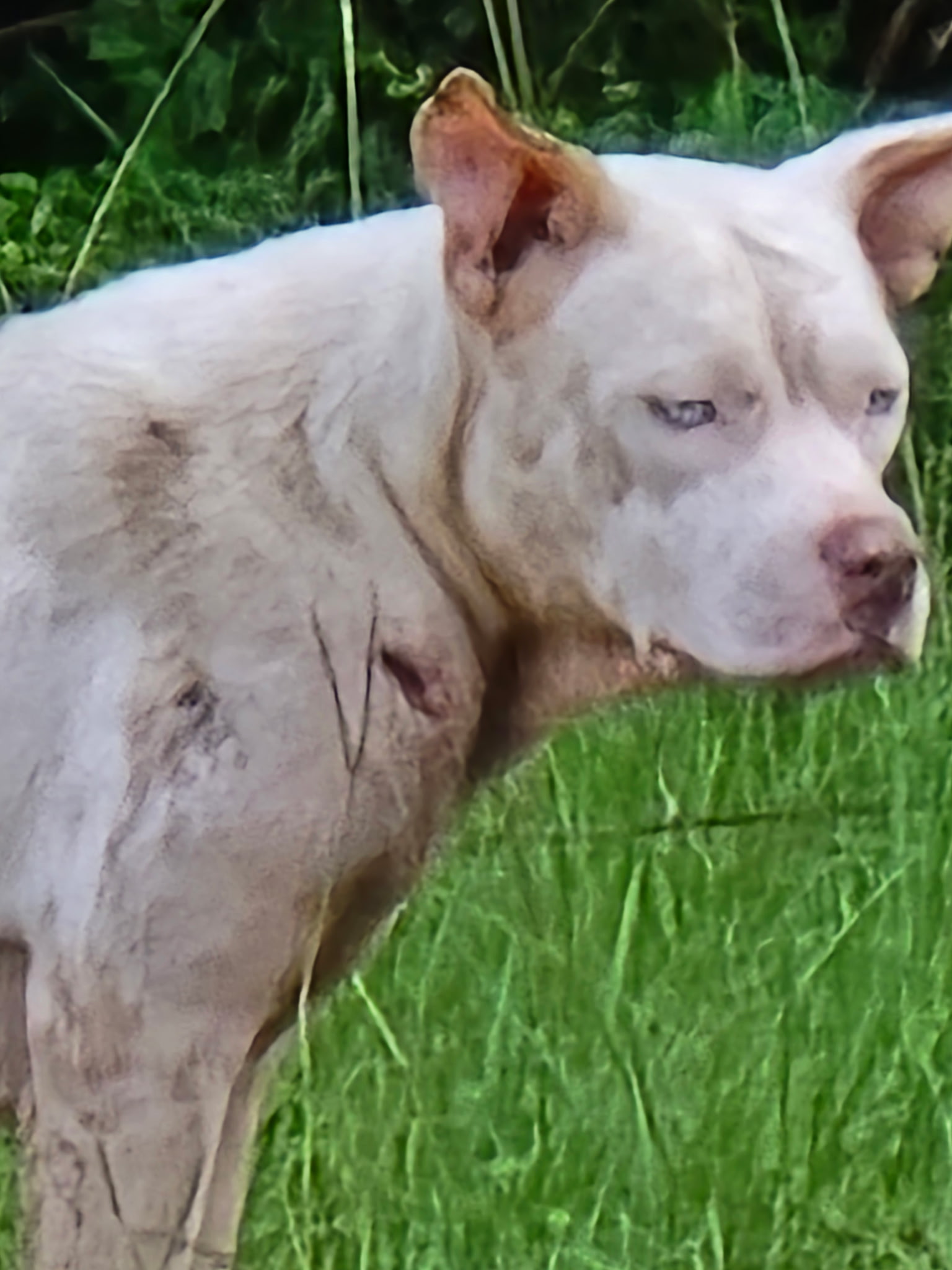
Pearl before rescue standing outdoors
Pearl before rescue standing in tall grass

Before Pearl was rescued, she had been abandoned, injured, and left to survive on her own. Her story is personal, but the larger problem affects communities across Mississippi.

Pearl's Law is not only about animal welfare. It is about safer communities, responsible ownership, public health, and preventing avoidable public expense.

“Your dog should not have to be lucky enough to be rescued.”

Funding that can last

Launch with state support. Sustain it through multiple revenue streams.

Pearl's Law can begin with a focused appropriation and grow through voluntary, dedicated, and private funding sources—without depending on one budget decision forever.

Year-one appropriationLaunch a targeted pilot and establish baseline measurements.
Voluntary tax donationsGive residents a direct way to support prevention.
Specialty license plateCreate recurring voluntary revenue tied to the mission.
Cause-based lottery gameGenerate dedicated proceeds if authorized by the Legislature.
Private matching fundsInvite businesses, foundations, and donors to expand public investment.
Eligible penalties and feesDirect appropriate animal-related revenue back into prevention.

STAND WITH PEARL'S LAW

Help show Mississippi leaders that prevention has public support.

Add your name, county, and voice. Constituent support gives legislators a reason to examine the proposal, request data, and move the conversation forward.